POLYVERMORE
Overview
Polyvermore is a speculative installation and video project imagining a future in which low-income people are genetically modified to consume microplastics and repay the cost of their surgery through this labour. Their bodies become part of a new food system, producing purified nutrients for wealthier populations.
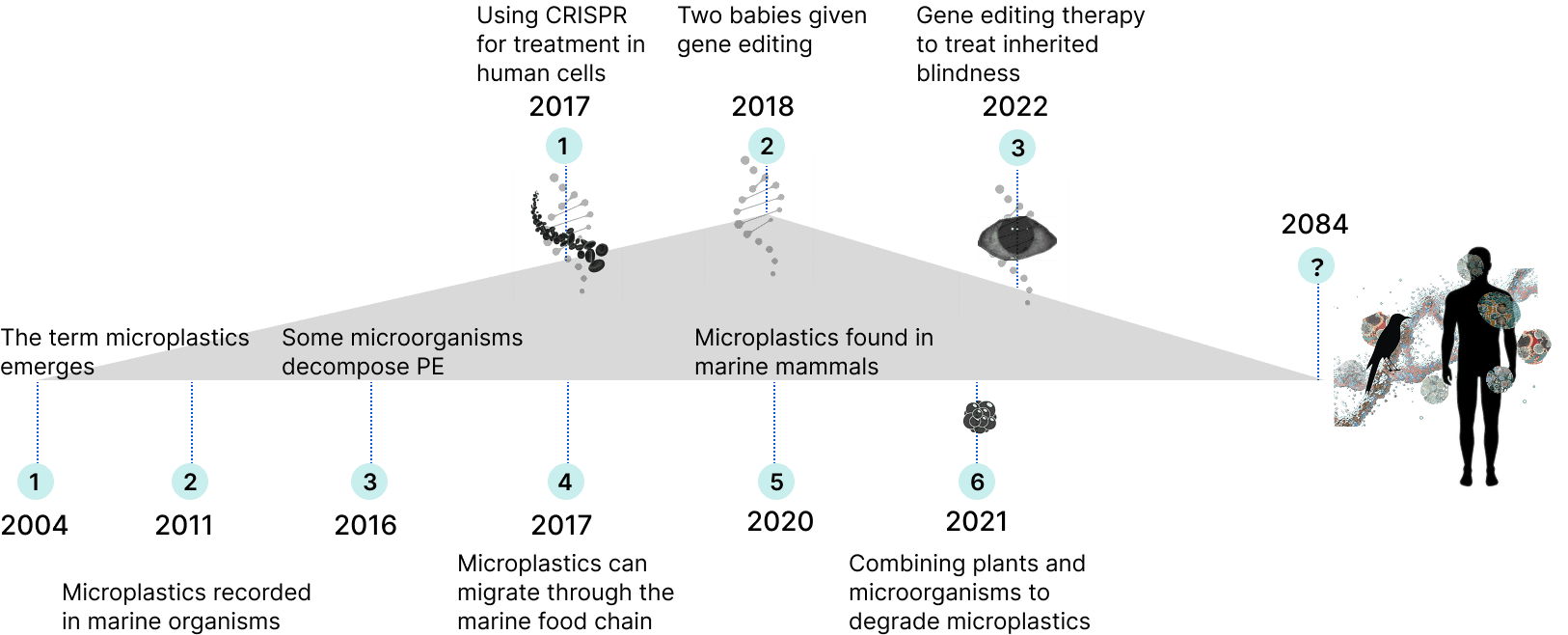
Research — MICROPLASTICS RETURN TO THE BODY
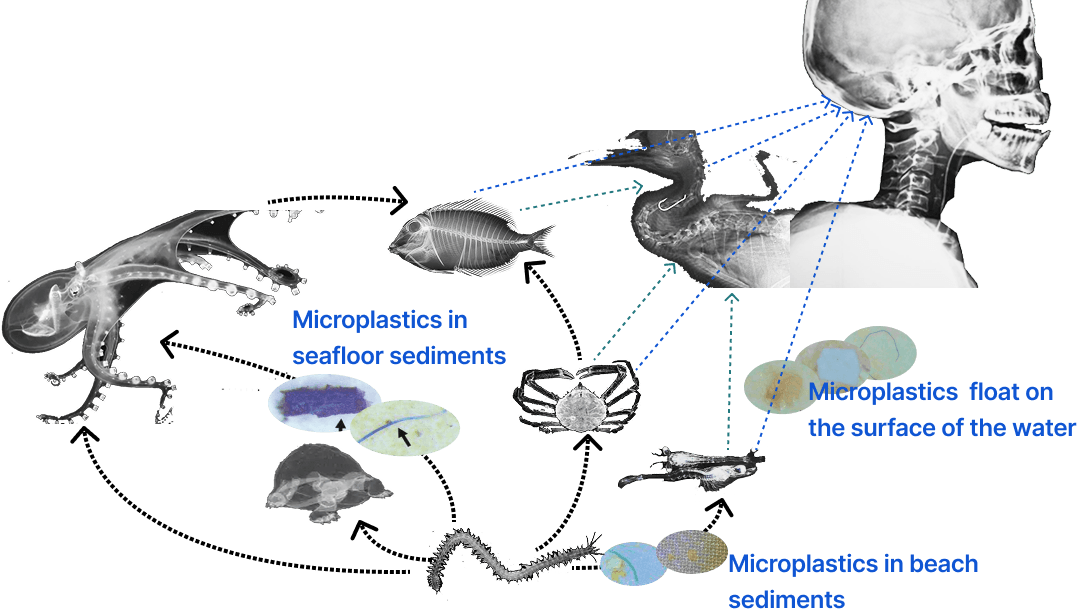
Microplastics circulate through marine food chains and ultimately return to the human body. Rather than imagining humans outside this contaminated ecosystem, I began to consider the body as its final processing site.
Research — BIOLOGICAL DEGRADATION EXPERIMENT
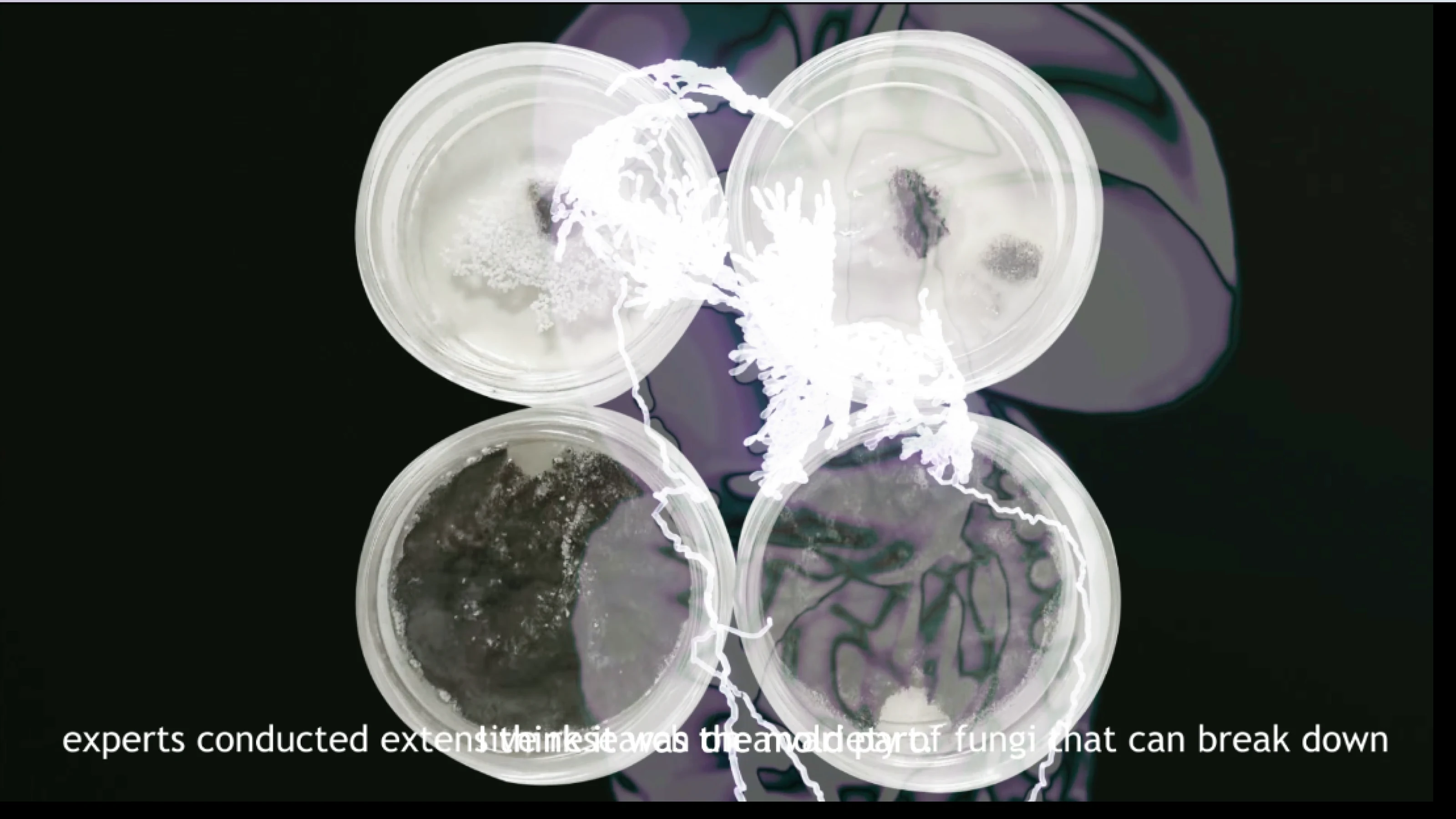
To test whether fungal degradation could process enough microplastic within a limited bodily area to support the Polyvermore system, I conducted a small material experiment.
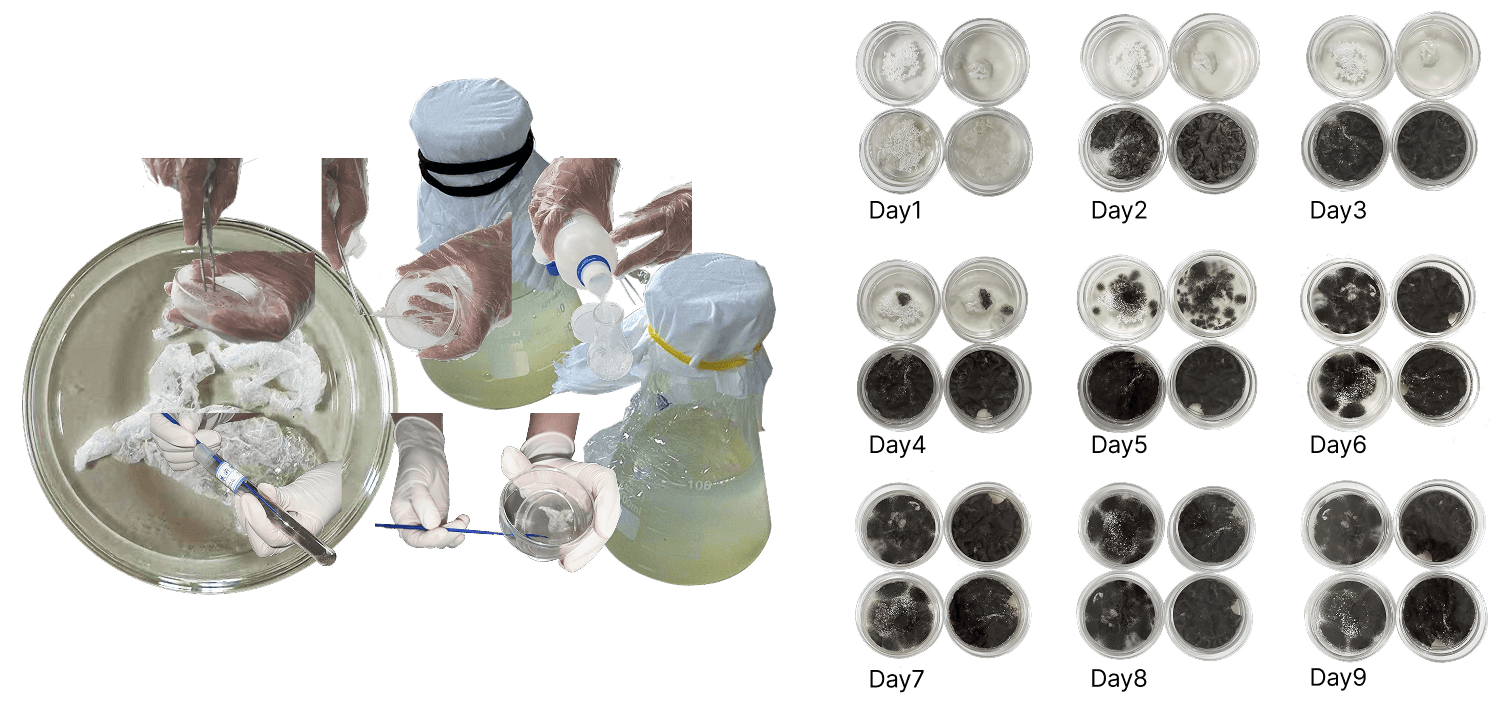
27 cm² / 10 days / ~6% observed mass loss
The results indicated that the available surface area would be insufficient, leading to the development of a full digestive system and an external processing apparatus.
Development — SCALING THE SYSTEM
In this speculative future, low-income people undergo genetic modification to survive in a food system increasingly contaminated by microplastics. Their modified digestive systems allow them to consume plastic waste and produce purified nutrients for wealthier populations.
Development — EXTERNAL DIGESTIVE SYSTEM
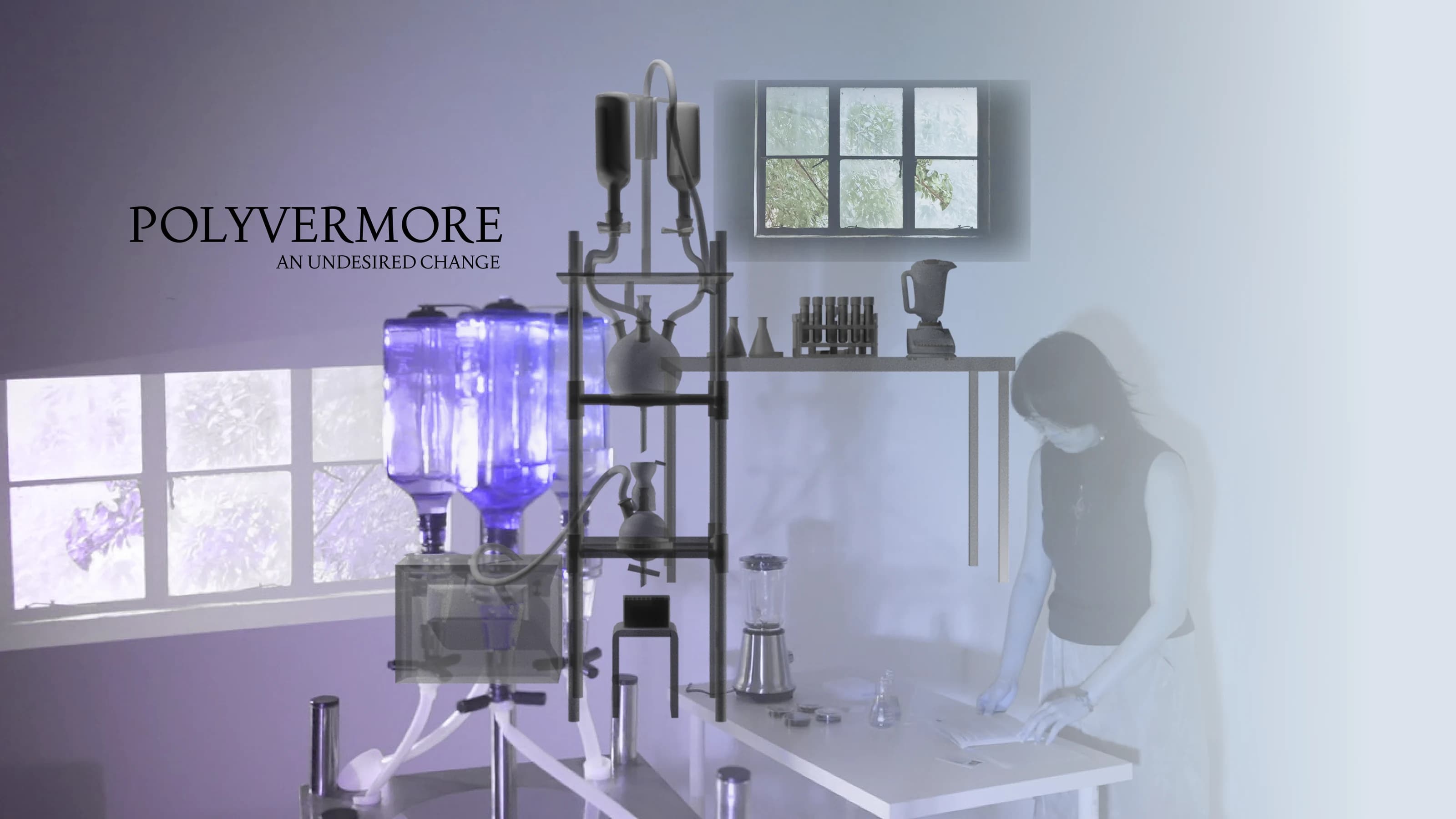
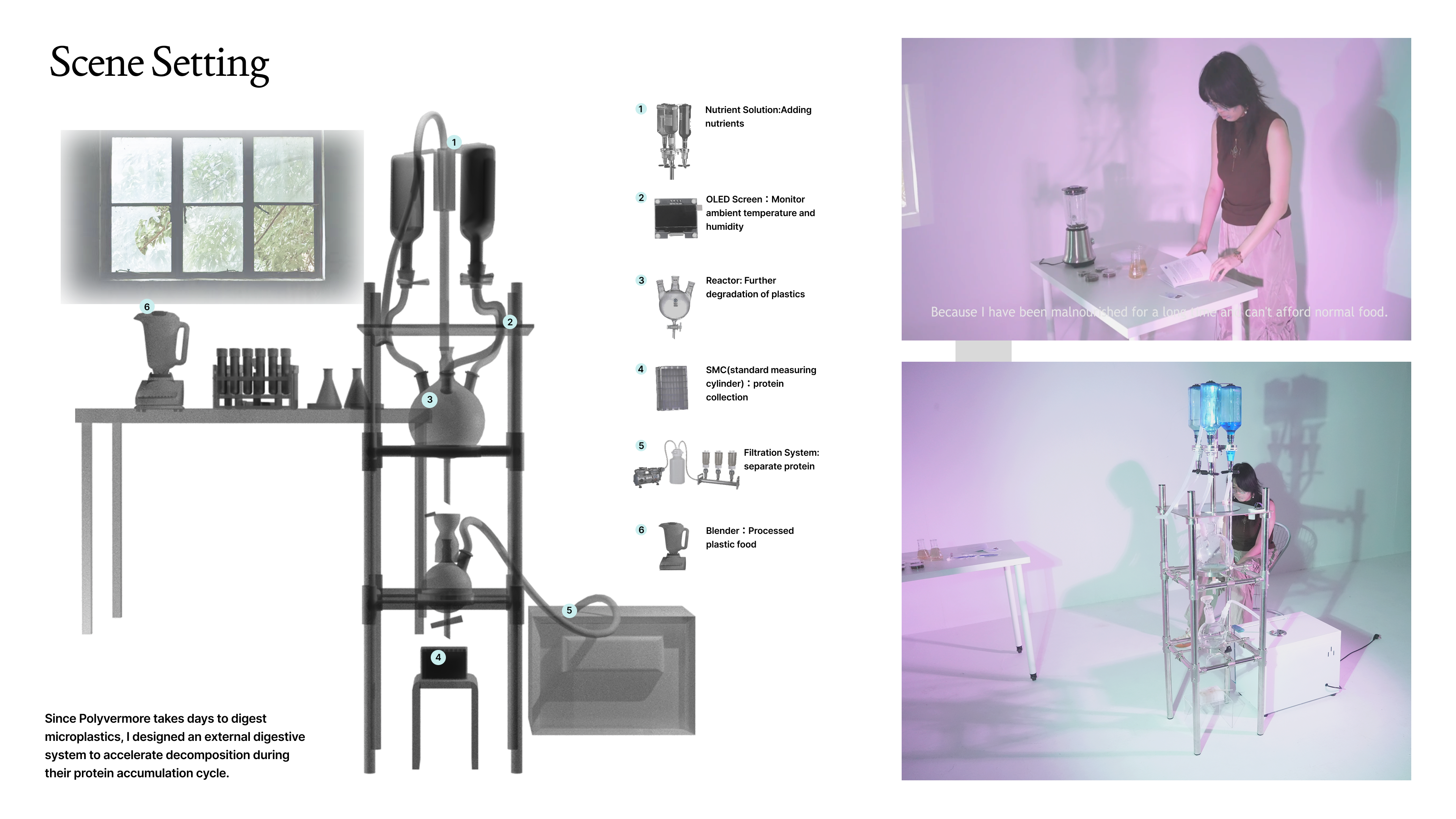
Because internal digestion alone was insufficient, I developed an external digestive system to extend the Polyvermore body and further process expelled residues.
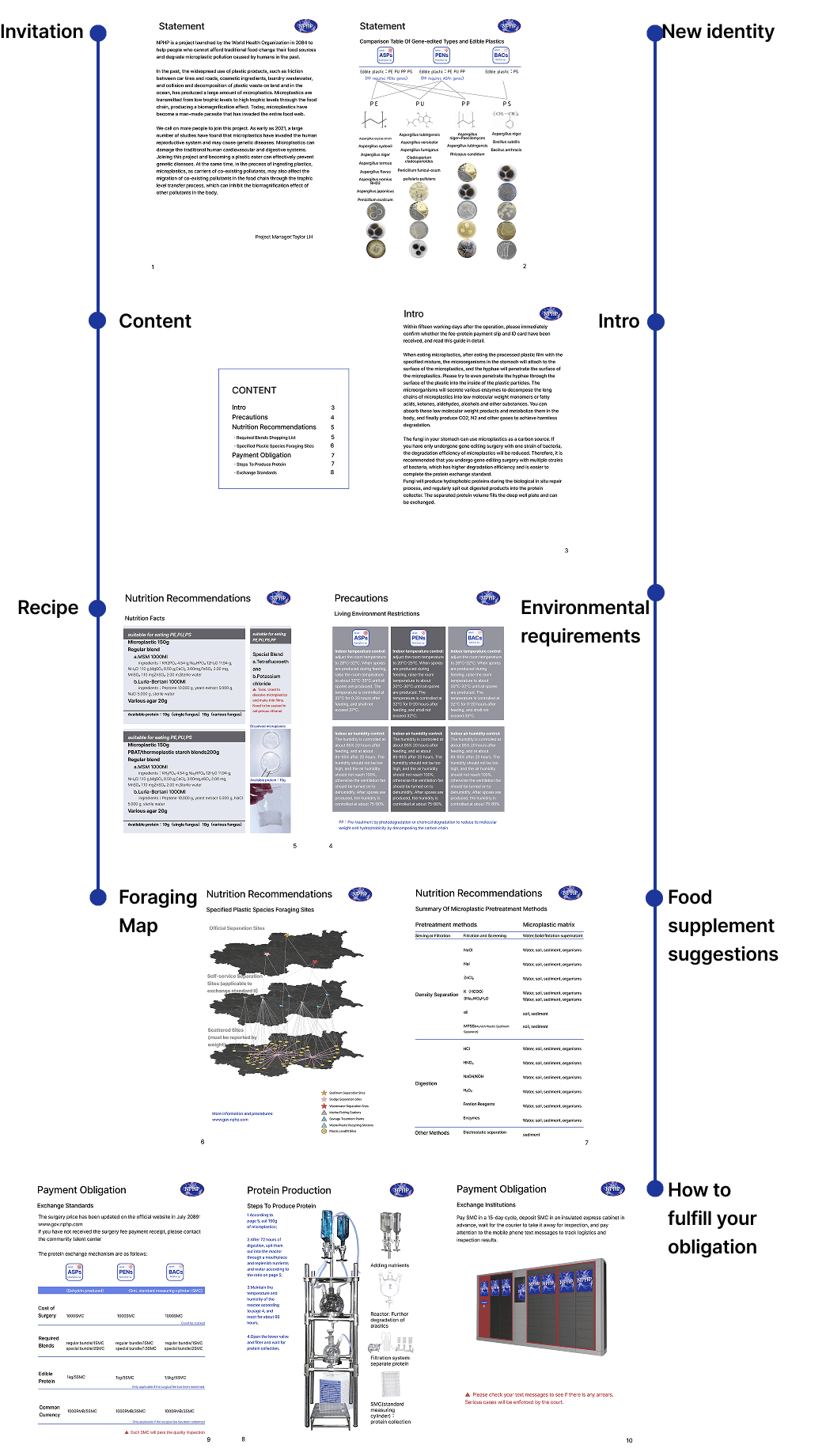
POLYVERMORE GUIDE
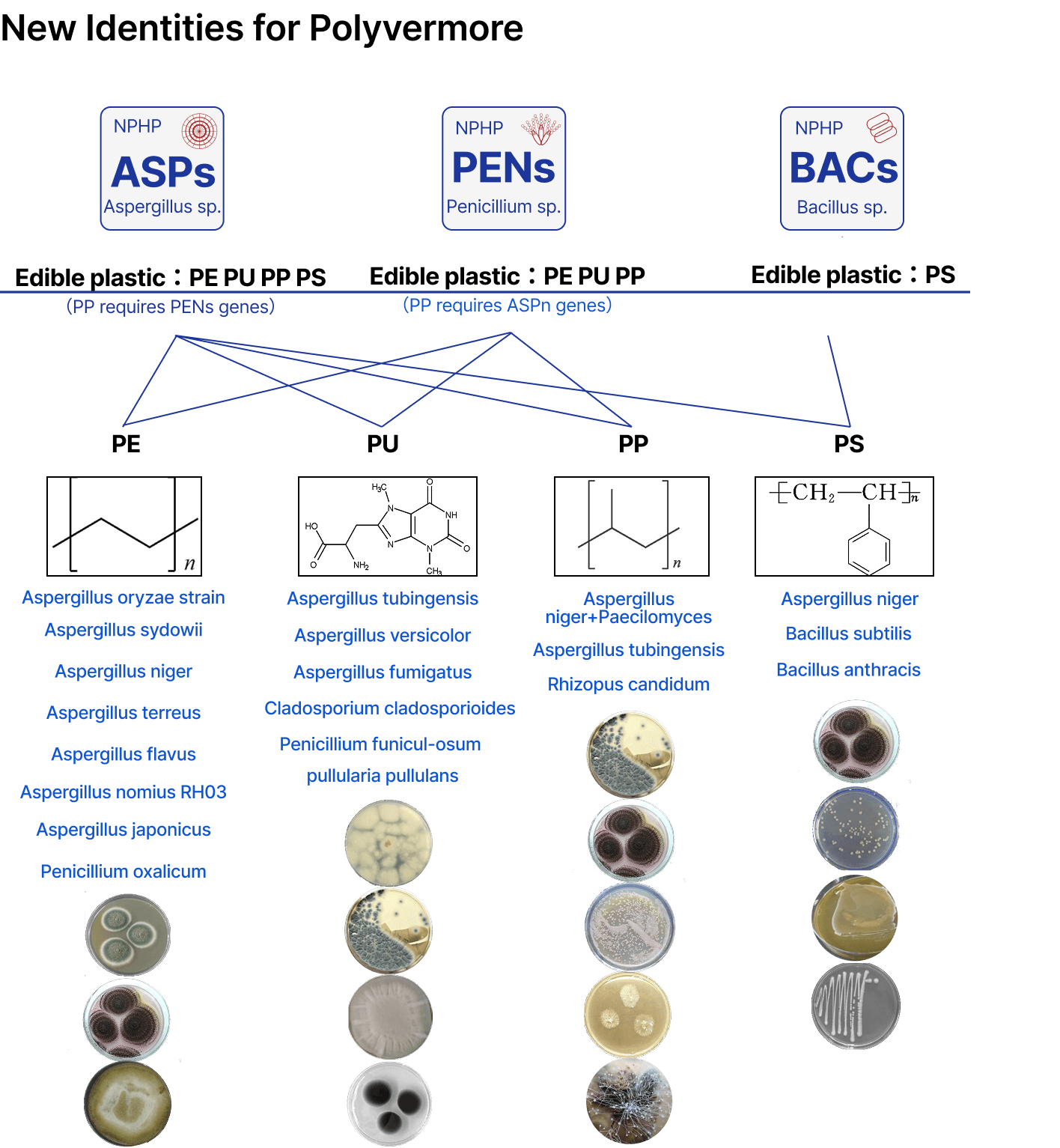
The guide translates the speculative system into everyday rules, defining Polyvermore identities, edible plastics, foraging behaviour, nutritional requirements and economic obligations.